Feteasca Neagra red wine - from scratch
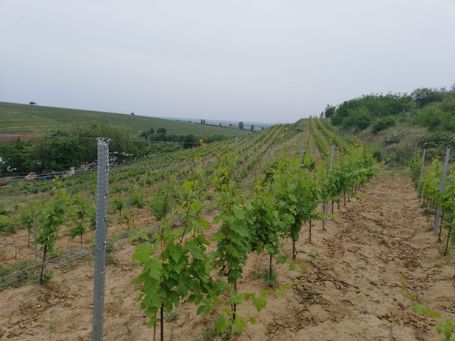
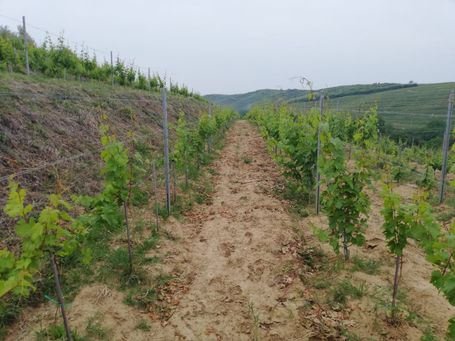
Terraces cleared for replanting March 2017 - new caption shows vines in May 2021

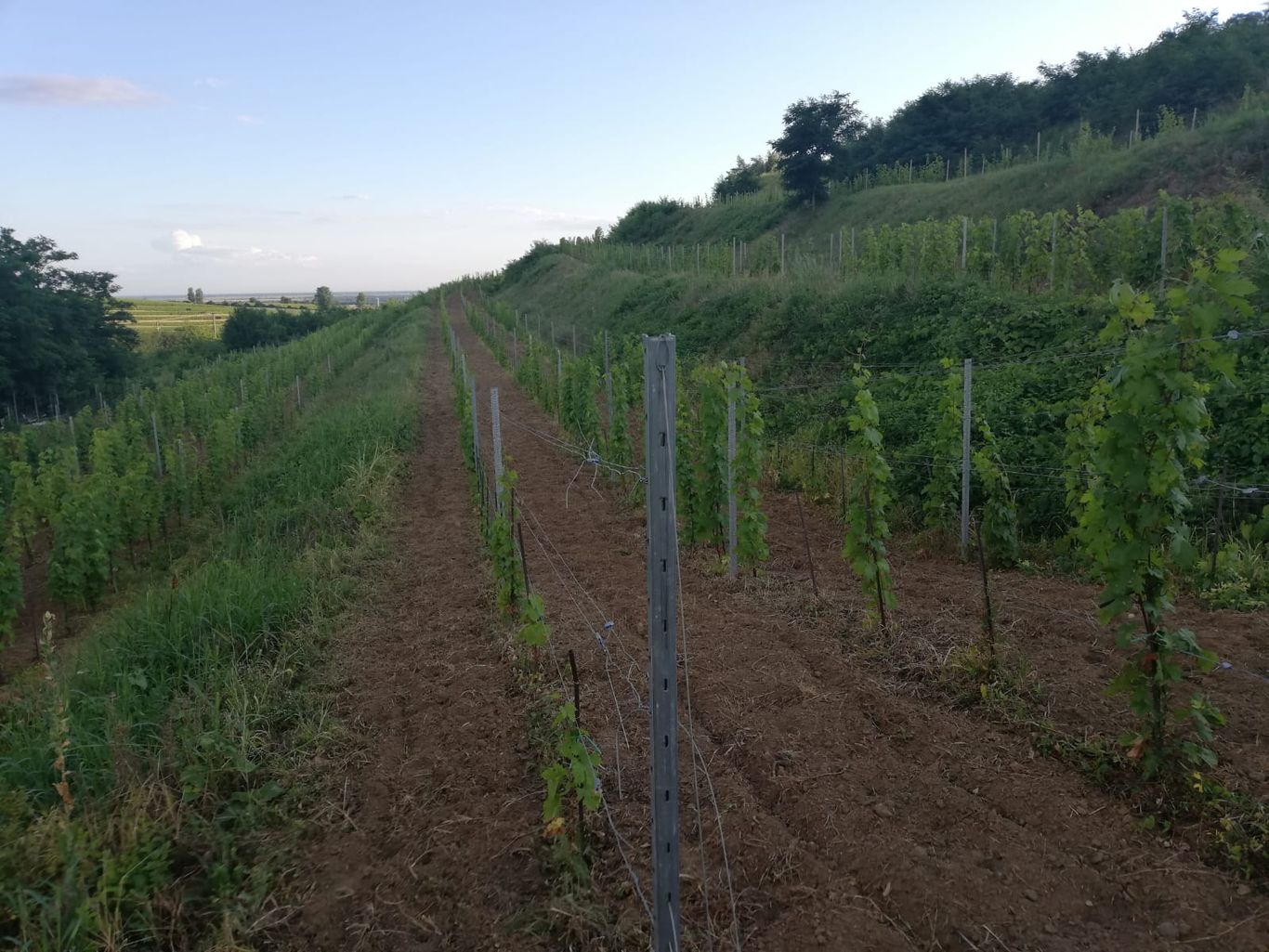
Feteasca Neagra 2020 onwards
Background
- This is a chronology of our project to produce a very special wine.
- We have 2 hectares of terraced vines in the famous Dealu Mare region of Romania that have been in the family since the 1930’s. It is in a local valley called Valea Nucetului or "valley of the walnut trees". Having reclaimed the land from state control in 2011 we began to restore and cultivate the existing vines. We had moderate success and learned from our mistakes developing a respect for the complexity of agriculture.
- However in 2017 we replaced the old Feteasca Neagra vines with new vines of the same indigenous Romanian variety, but cultivated in Italy with a higher disease resistance. We also planted 10% of the terraces with Merlot.
- 2020 was the first year these new vines produced a significant harvest. Challenging year with some hail damage in June and periods of drought. Production turned out to be 800kg which was well below predictions. On the plus side the sugar was high, boosted by strong sunshine in the latter stages.
- 2021 yielded 1.5 tonnes. The weather was more forgiving with a better yield and the sugar level was good.
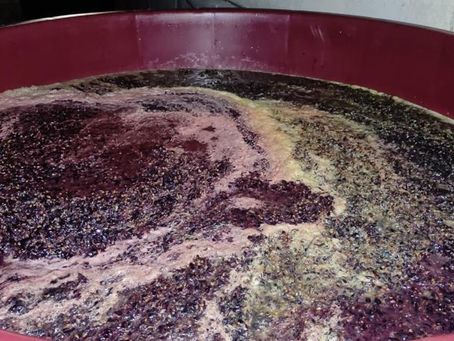
- 2022 yielded just 0.9 tonnes after unexpected damage from mildew in the latter part of the season. However the quality is exceptional and we predict an alcohol level of 14.8%. As the Merlot were unaffected we created a 50/50 coupage using natural wine methods ABV 14.5%.
- 2023 yielded 4.6 tonnes and we selected 1 tonne of the best quality to produce a 100% Feateasca Neagra of ABV 13.75% using natural methods.
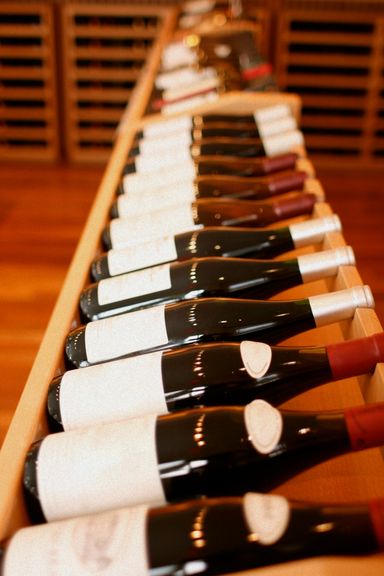
- 2024 yielded 2.7 tonnes - we had to harvest 2 weeks early due to intense heat in August which spiked natural sugar levels at 18%. After 18 months in Romanian oak barrels this has produced an exceptional wine which is dry with a powerful punch.
- Our aim is to produce a single vineyard, superior quality wine.
- Feteasca Neagra is difficult to cultivate and often produces low yields but high quality.
- We manage the vines organically This variety is very susceptible to mildew due to the thin skin on the grapes However, our new vines are much more resistant. The vines get natural fertilizer and are worked with a horse drawn plough as the terraced rows are difficult for large machines. The harvest is handpicked.
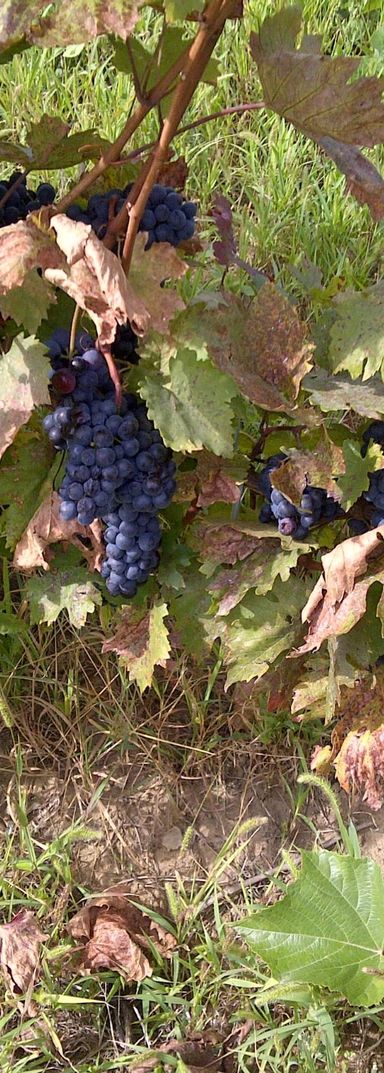
Oct 2022
Update
We have now joined a small wine making co-operative where we can benefit from their viticultural experience and wine making skills.